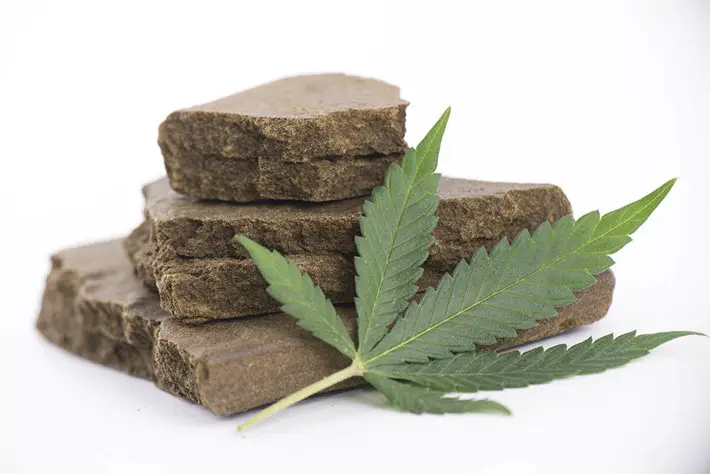
At NativeCare, we believe understanding cannabis starts with knowing how it’s made. Few products carry as much history—or as much potency—as hash. Short for hashish, hash is one of the oldest and most respected cannabis concentrates in the world, prized for its rich flavor, powerful effects, and traditional craftsmanship.
The Basics: What Is Hash?
Hash is a cannabis concentrate made by collecting and compressing trichomes—the tiny, crystal-like glands that coat cannabis flowers. Trichomes contain the majority of the plant’s cannabinoids (like THC) and terpenes (which give cannabis its aroma and flavor). By separating these resin glands from the plant material and pressing them together, you get hash.
Because it’s concentrated, hash is typically stronger than flower and delivers a deeper, more layered experience.
A Brief History of Hash
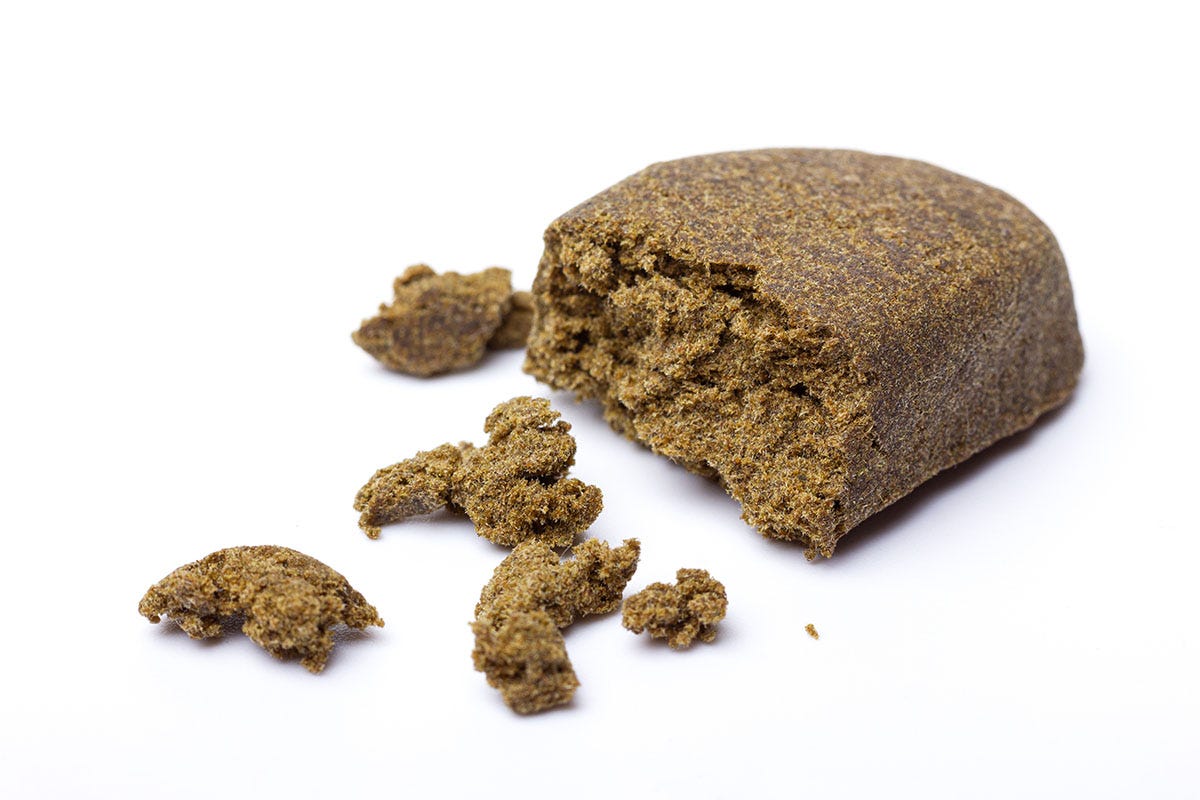
Hash has been enjoyed for centuries, long before modern extraction methods existed. It originated in regions such as Morocco, India, Nepal, Afghanistan, and the Middle East, where cultivators developed hand-rubbed and sieved techniques to preserve resin. These methods laid the foundation for many of the hash styles we still see today.
Common Types of Hash
While techniques vary, most hash falls into a few classic categories:
Dry Sift Hash
Made by gently sifting dried cannabis over fine screens to separate trichomes. The result is a sandy or powdery product that can be pressed into blocks or left loose.
Bubble Hash (Ice Water Hash)
Uses ice-cold water and agitation to knock trichomes off the plant. The resin is filtered through micron bags, dried, and graded by quality. High-grade bubble hash can “melt” when heated, a sign of exceptional purity.
Hand-Rolled or Traditional Hash
Created by hand-rubbing live or dried plants so resin collects on the skin, then rolling it into balls or bricks. This method produces deeply aromatic, terpene-rich hash with old-world character.
Pressed Hash / Rosin-Pressed Hash
Some hash is gently heated and pressed to refine texture and consistency. When pressure and heat are applied without solvents, this can also produce hash rosin.

How Hash Is Used
Hash is versatile. It can be:
- Smoked on its own or mixed with flower
- Vaporized at low temperatures to preserve flavor
- Used in bowls, pipes, or traditional hash preparations
Because it’s potent, a little goes a long way—especially for those new to concentrates.
Flavor, Effects, and Experience
Hash is known for its full-spectrum effects. Since it retains a broad range of cannabinoids and terpenes, many people describe hash as producing a more rounded, body-forward experience compared to some modern extracts. Flavors tend to be earthy, spicy, floral, or sweet, depending on the strain and method used.
Why Hash Still Matters
In an age of high-tech extracts, hash remains relevant because it connects craftsmanship, culture, and cannabis purity. It’s a reminder that great cannabis doesn’t have to be complicated—it just has to respect the plant.